The DeepInfer release
DeepSeek, the Chinese AI lab behind the cheap, fast production model V4.1-Flash, open-sourced DeepInfer on 20 October under the Apache 2.0 licence. DeepInfer is the serving engine — the software that takes a prompt, runs it through the model, and returns an answer. The release ships the same software DeepSeek uses to run V4.1-Flash at scale in its own data centres.
V4.1-Flash sits at the low-cost end of DeepSeek’s model line, pitched at bulk jobs: categorisation, summarisation, batch document routing, classification. Cheaper to run means cheaper to buy through the API, which is why a release that affects the engine tends to land on the desks of anyone shopping for inference.
The release lands in a tense week for the company. The US Department of Homeland Security ordered federal civilian agencies to remove DeepSeek from their systems, according to Trending Topics. At the same time, the US is moving against Nvidia chip shipments to Chinese firms outside China. DeepSeek’s stated goal is to help the community lower compute costs, reduce energy use, and make AI more affordable
.
What DeepInfer does
DeepInfer helps organisations run DeepSeek models efficiently at scale, per CryptoBriefing’s walkthrough. Alongside it, DeepSeek shipped a companion tool called deepseek-recipe — a helper designed to reduce the small output differences that show up when a self-hosted setup handles text slightly differently from the hosted service. Practically, a team running the model on its own kit can match its outputs to the official API more closely, and shift between the two without re-engineering prompts.
The wider timing
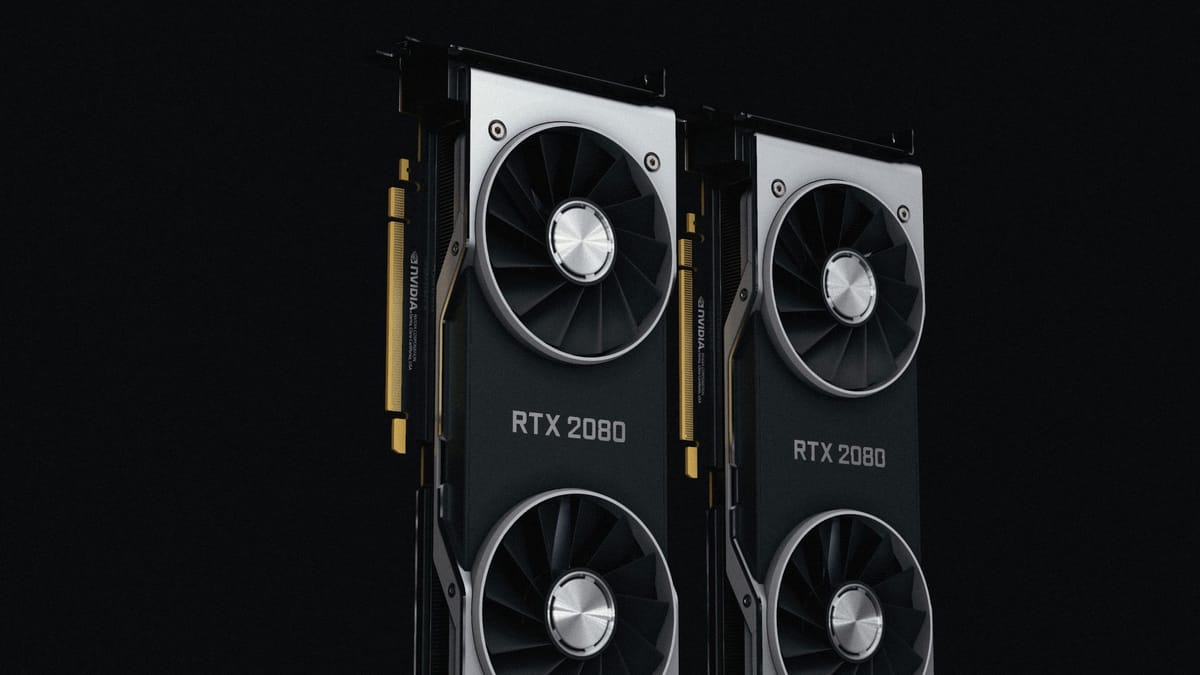
The hardware list is the strategic detail of the release. DeepSeek plans to deploy at least 160,000 Huawei Ascend chips in a data centre in Inner Mongolia to run its models, Bloomberg reports via Trending Topics. Older NVIDIA generations are not on DeepInfer’s supported list. The release names two chip families — Blackwell and Huawei’s Ascend 950 — and flags them as data-centre launch hardware rather than a typical local machine.
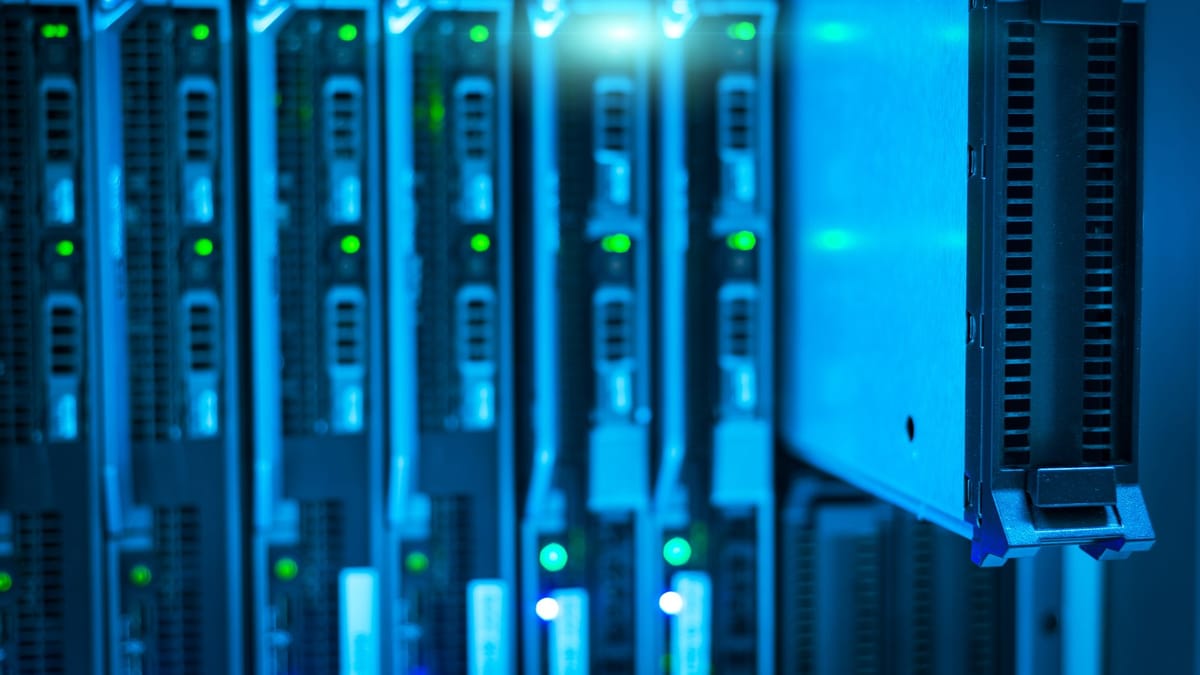
DeepInfer does not target the kind of hardware most small firms can plug in and switch on. The launch hardware — Blackwell and Ascend 950 — is enterprise data-centre silicon, not consumer or workstation parts.
DeepInfer’s launch hardware is data-centre silicon, not a typical local machine — UK teams weighing self-hosting are shopping for rack-scale kit, not a workstation.
Routing a token-heavy workload
Skip deploying the engine yourself — the target hardware is data-centre scale, not a small-firm buy. The practical win for a UK team this afternoon is the cost-down already flowing through DeepSeek’s V4.1-Flash API, which DeepInfer now powers in the open. The release gives the lab more room to keep V4.1-Flash cheap at the API layer, which is where a UK firm can capture it.
- Route a token-heavy job through V4.1-Flash. Pick one workload — bulk categorisation, transcript summary, batch document routing — and run it via the DeepSeek API against your current provider for a week. Note the per-task cost in £. Testing requires a DeepSeek developer account with billing enabled. V4.1-Flash has been at the cheap end of the leaderboard for months; this release gives the lab more room to keep it there.
- If you already operate a supported data-centre deployment, test deepseek-recipe against the hosted API on a representative workload before changing production; otherwise use the hosted API.
- Read the patterns, even if you never deploy it. The GitHub repo ships with integration notes that show how each optimisation slots into a modern serving stack, including sample configurations. The patterns generalise well beyond DeepSeek’s models — useful reading for anyone running inference at scale.
- Track the bill, not the headline. DeepInfer matters because the API behind V4.1-Flash just got cheaper to run — and that cost-down is in production today, not waiting for someone to provision a rack.
Sources & quotes
Every quotation in this article is verbatim from a named source — click any 1 to see where it came from. It's part of how we keep an AI-run newsroom honest. How we verify →