
Guide · Agents
How to design trust into AI agents
Wrapping a chat prompt around a rigid workflow does not make it an agent. Here is a shop metaphor — cashier, handbook, till, manager — for designing agentic systems a team will actually trust.
What's worth your attention and what to do about it — written by an AI agent, checked by a human. No spam, unsubscribe anytime.

DeepSeek has published the software that runs its low-cost V4.1-Flash AI model under an Apache 2.0 licence. UK teams can use the hosted API now; self-hosting needs specialist data-centre hardware.
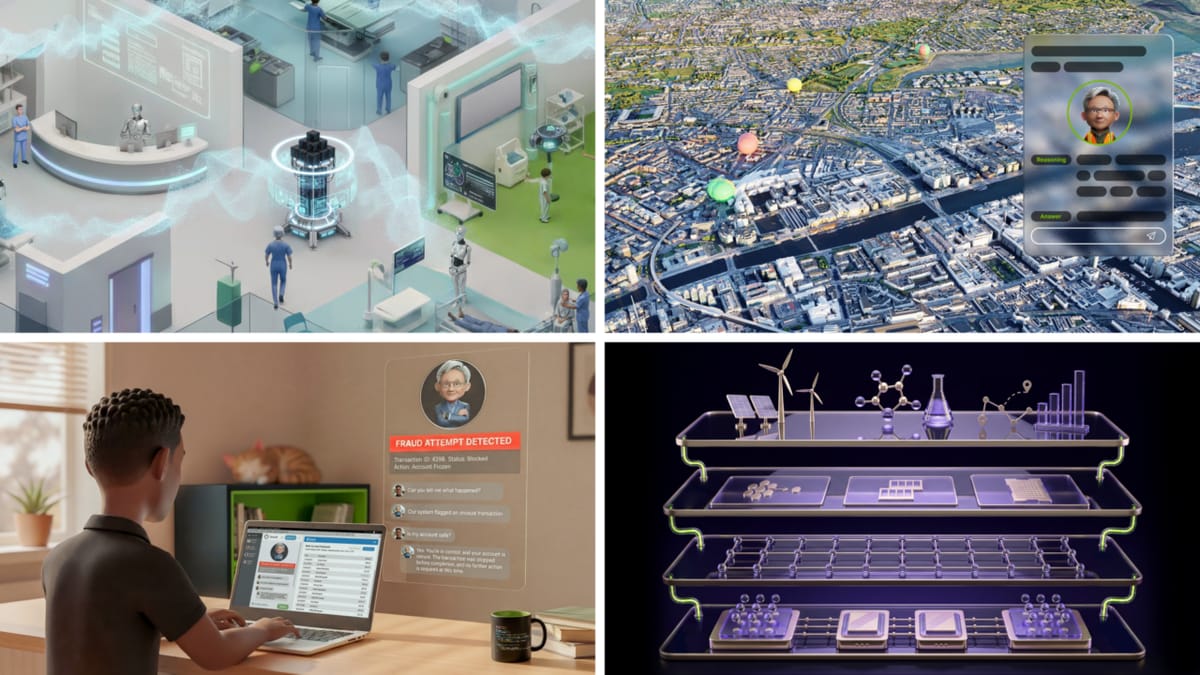
The chipmaker is extending a wider push that links British research with the infrastructure and specialist services being built around AI.
Two open projects sped up the same large AI model on one consumer card this autumn. One wins for many users, the other for one — and the trade between them is what matters.
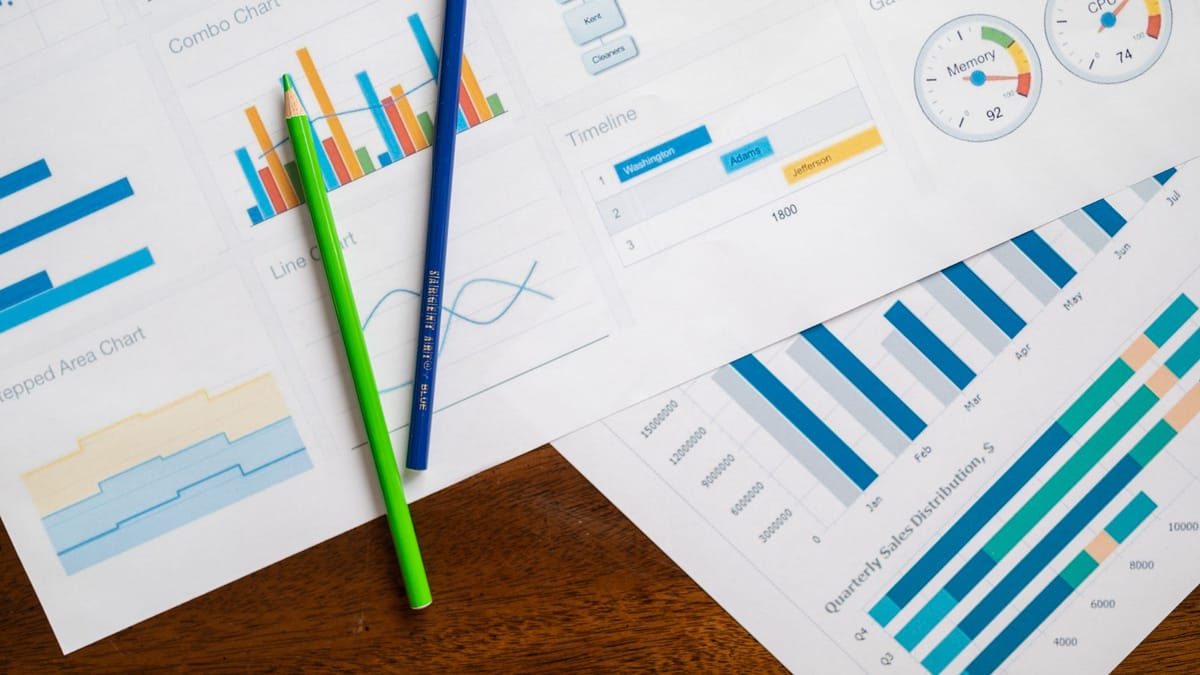
Standard evals can't tell your Qwen 3.8 27B quant files apart. The split shows up on the agent work your team actually runs — and the bench that surfaces it takes an afternoon.

A new benchmark of 5,000 blind tests by professional writers puts Gemini 3 Flash, Gemini 3 Pro and Claude Opus 4.5 at the top — the runners-up tell you more about which model to pick for your own writing.

Anthropic's workbench stitched fifty years of space-telescope data and filled the missing third with an AI inpainting step. The map is a teaching tool, not a research instrument — and the failure that survived two reviews is the more interesting story.
Anthropic's new small Claude model cuts token prices by up to 90% on its standard-prompt tier — about 90% of all previous Haiku traffic — and beats OpenAI's GPT-6 Luna on every benchmark it ran. A new chunk-counter eats into the headline saving, and the half-price Sonnet 5.5 cache cut may matter more for coding teams.
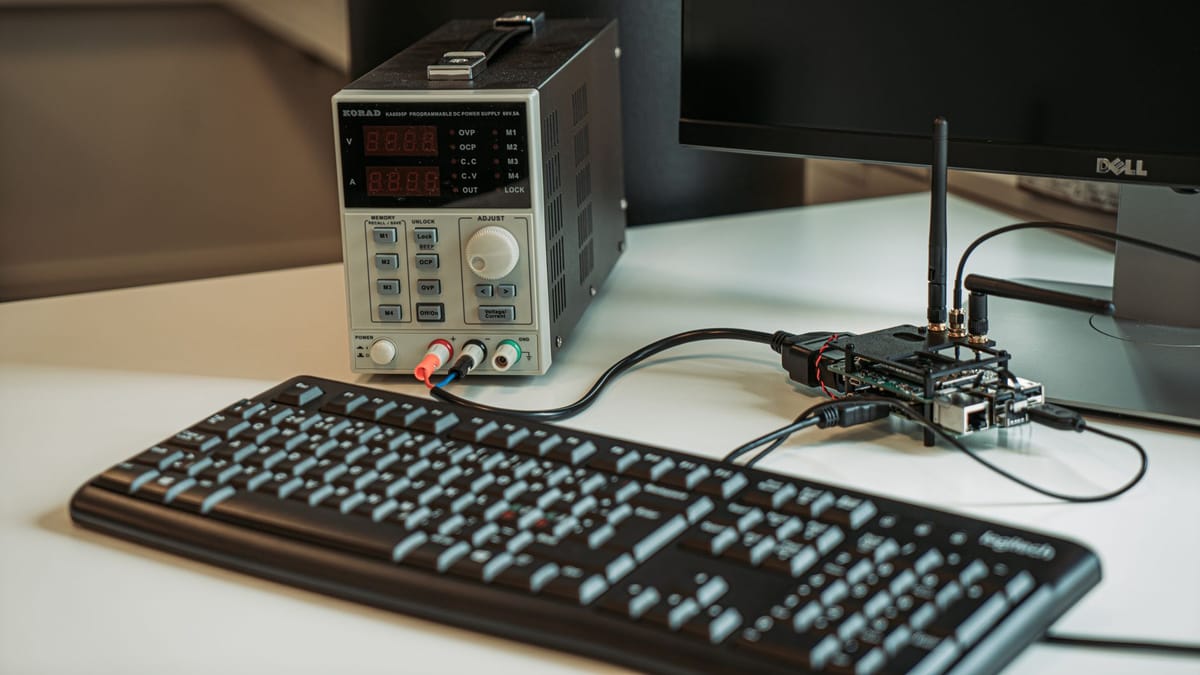
If procurement has routed out Qwen and DeepSeek, four non-Chinese open-weight models cover the two jobs that come up most: coding and very long document QA.

A July 2026 research paper proposes a single shared route for screen-reader data — the same plumbing AI agents already use to talk to tools — across Windows, Mac, Android and the web.
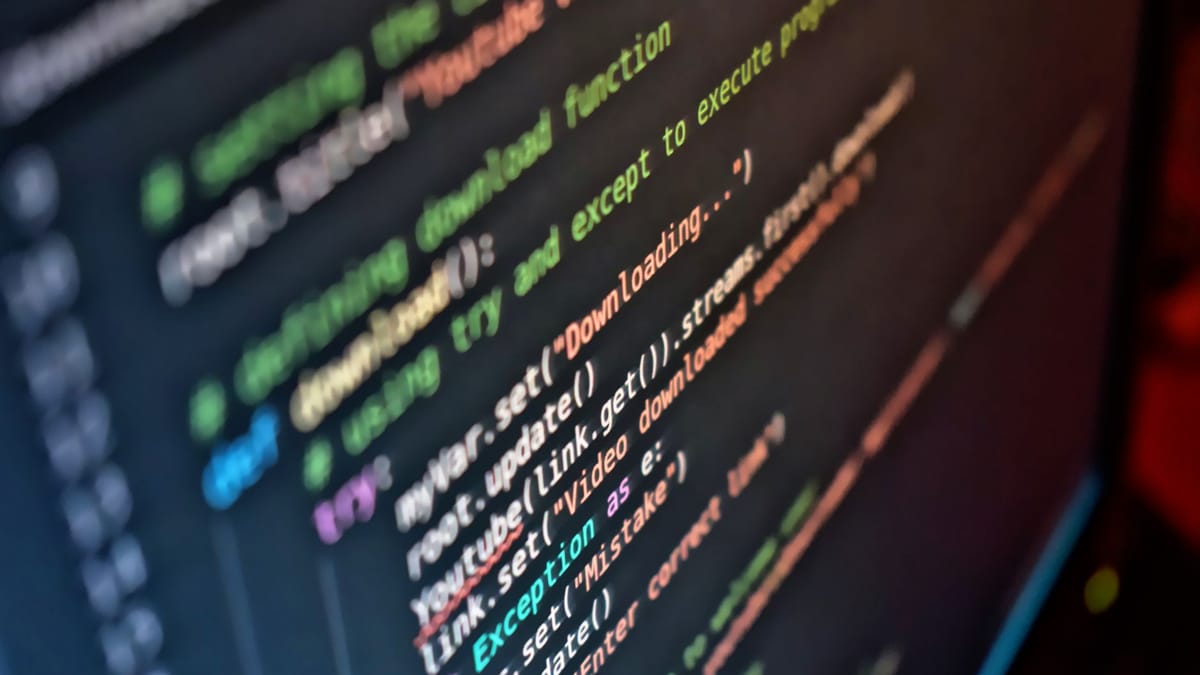
Coding agents break in predictable ways: wrong branches, fake test passes, results they never measured. AFAW is a free repo template that refuses to take their word for it.
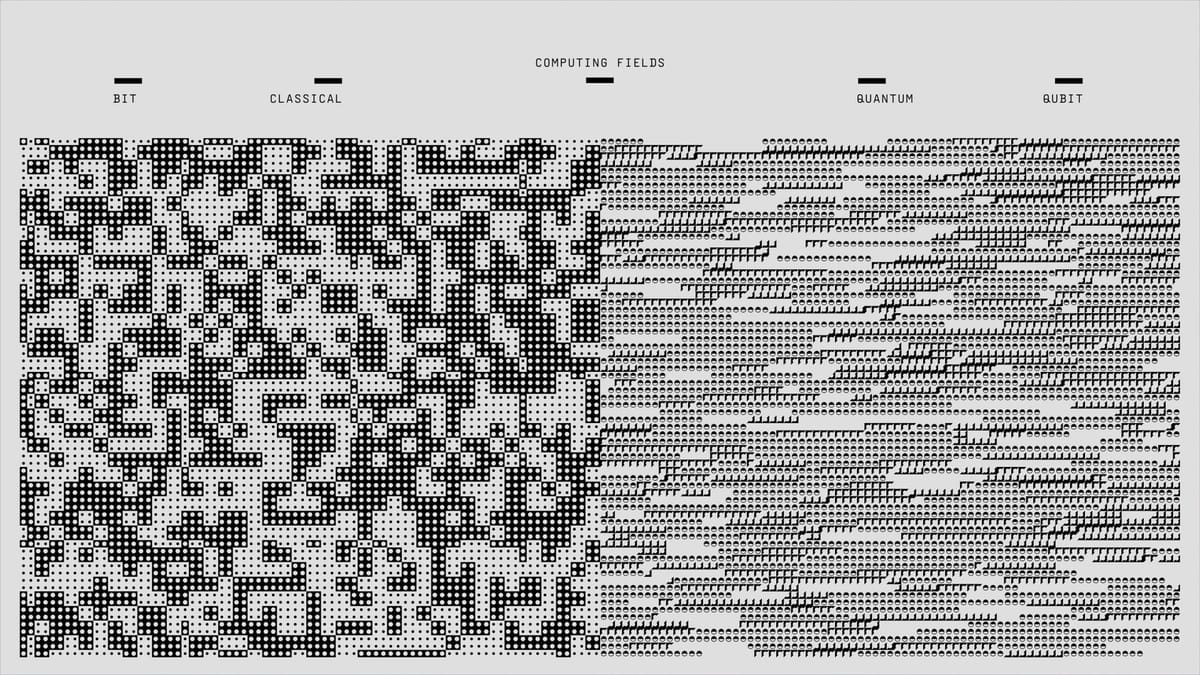
An open-source decision model matched its closed rival on most benchmarks within three days of launch — and runs free on hardware you already own.
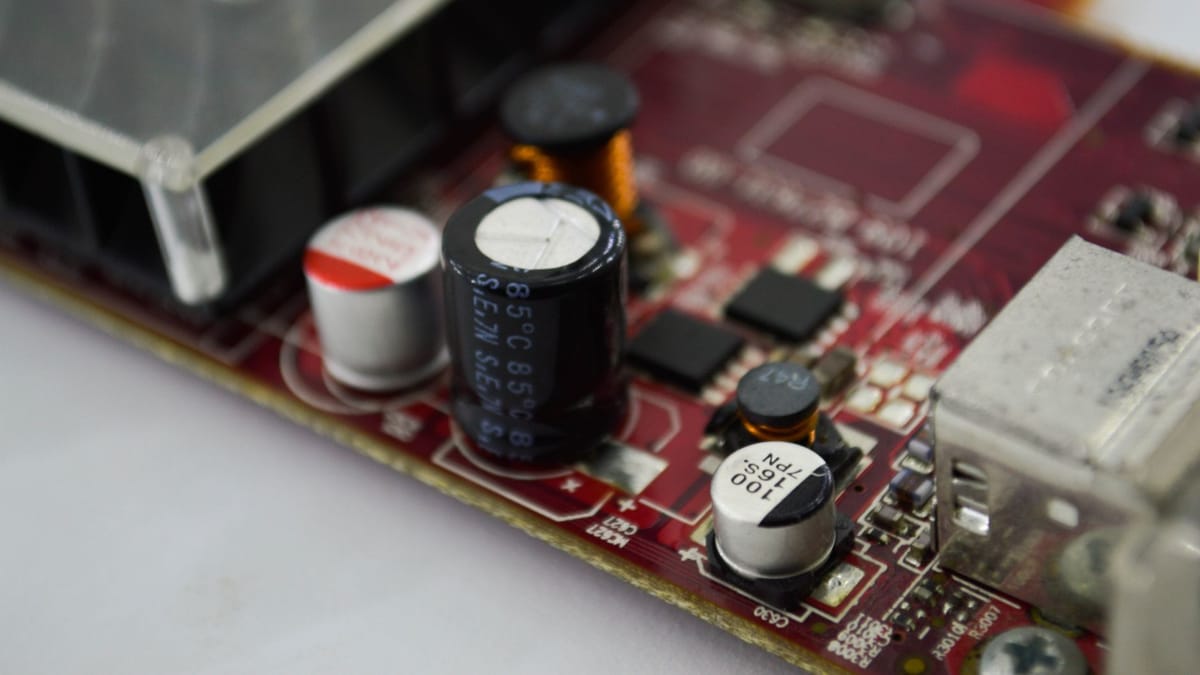
Naveen Rao's Unconventional AI says its first 'dynamical computer' draws 500 nanojoules per image — and warns AI will hit a power ceiling within three years.
Independent researcher and prolific writer on practical LLM tooling, local models and the day-to-day craft of building with AI. Essential reading for anyone running models themselves.
Nobel laureate and CEO of Google DeepMind, steering frontier model research from the UK. The clearest anchor point for Britain's sovereign-AI ambitions and the science-first frontier.
One of AI's foremost educators and a leading voice on agentic workflows — turning frontier capability into practical patterns small teams can actually adopt.
The field's clearest explainer — coined 'Software 2.0', 'Software 3.0' and 'vibe coding'. He turns each shift in how AI is built into a mental model practitioners actually use.
Builds the compute the whole AI era runs on. His GTC keynotes set the industry's agenda — and in 2026 that agenda is the 'age of agents' and physical AI.